
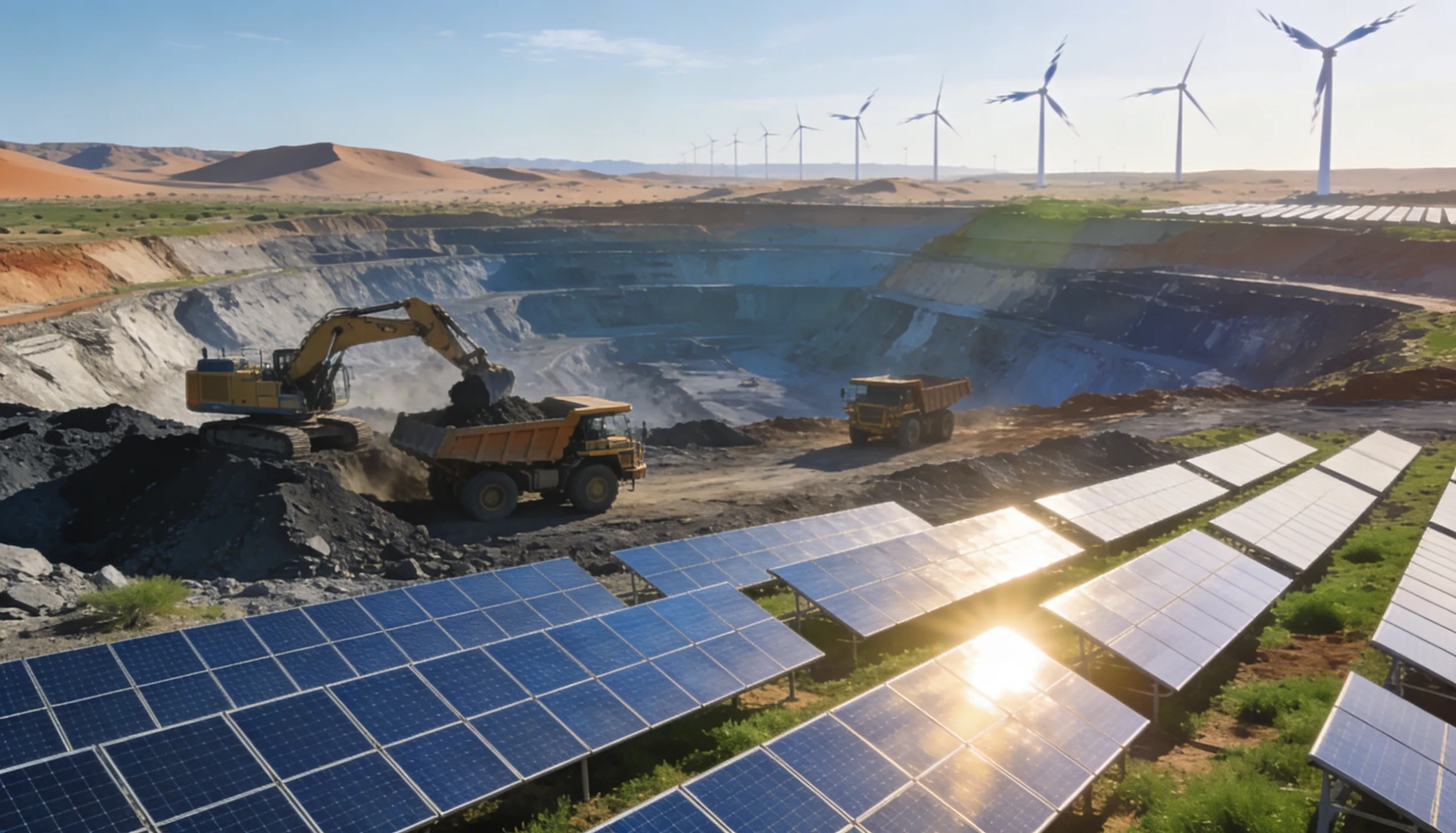
As we enter 2026, Namibia has emerged as a cornerstone of the global transition to a low-carbon future. The driving force is a revitalized nuclear industry, which in 2024 avoided 2.1 billion tonnes of CO2 emissions—effectively offsetting the global aviation industry’s carbon footprint twice over.
Beyond its environmental impact, nuclear power remains the “heavy lifter” of clean energy due to its unmatched reliability; in 2024, the global fleet maintained an average capacity factor of 83%, providing steady baseload power that far outpaces weather-dependent renewables.
In 2024, Namibia produced 12% of the world’s uranium, joining Kazakhstan and Canada as the three giants that supply the vast majority of the world’s fuel. With legendary operations like the Rössing and Husab mines, Namibia consistently provides over 10% of total global output.
MPH is proud to have been a part of the launch of the new mining programs in Namibia and its growing mining sector, with us offering our technical assistance for local uranium mining extraction projects, with over 20 local industry experts mobilized, in different disciplines, ranging from Exploration Geologists, Mine / Resource Geologists, Geophysicists & Geochemists, Surveyors, Drilling Supervisors & Drill Crews, GIS & Data Specialists, Mining Operators, In-Situ Recovery (ISR) Operators, Metallurgists, Plant Operators, Process Engineers, Laboratory Technicians, as well as support professionals in Procurement, Logistics, Human Resources, Finance, Contracts Administration, and Environmental Management to name a few.
Namibia’s appeal extends beyond its geological wealth to its geopolitical environment. As a stable, rules-based producer with strong government support, it has become the “go-to” partner for Western utilities and strategic investors looking to diversify away from higher-risk jurisdictions.
As the world pursues ambitious Net Zero goals, the synergy between Namibian resources and global energy security has never been more vital.